The Rise of Electric Planes: How Green Tech is Changing Travel in 2026
1/6/20264 min read
Introduction to the Shift in Aviation
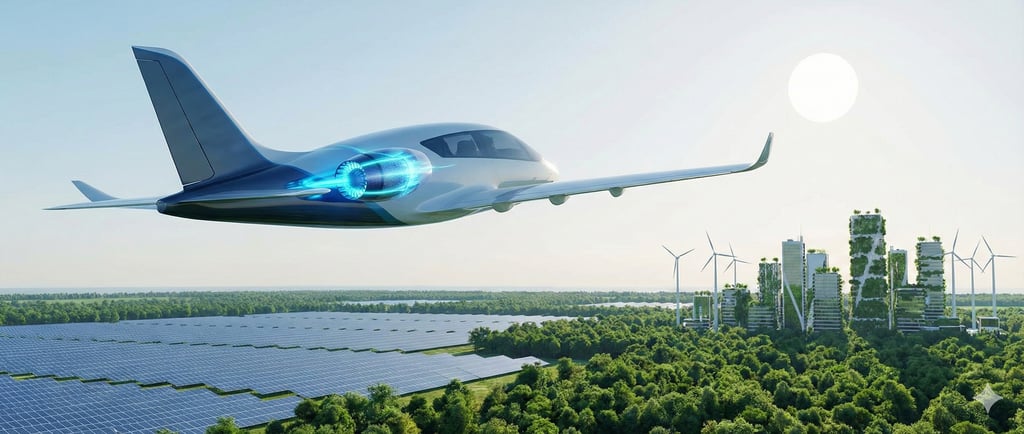
The aviation industry in 2026 is undergoing a significant transformation as it shifts away from traditional kerosene-based jet fuel and embraces electric and hybrid propulsion systems. This transition is primarily driven by a growing recognition of the environmental impact of air travel, which has historically contributed to a considerable amount of greenhouse gas emissions. With increasing global awareness of climate change, there is an urgent need for sectors like aviation to adopt more sustainable practices.
In recent years, significant advancements in green technology have paved the way for this shift towards electric flight. Innovations in battery technology, electric motors, and renewable energy sources are making it feasible for aircraft manufacturers to develop electric planes that can operate efficiently and effectively. Concurrently, hybrid systems, which combine traditional engines with electric propulsion, serve as a transitional technology, allowing airlines to reduce their carbon footprint while maintaining operational capacity.
The motivation behind this shift is multifaceted. Environmental concerns are at the forefront, as the aviation industry's contribution to global emissions is becoming increasingly untenable. By moving towards electric and hybrid aircraft, the industry aims to significantly reduce its ecological footprint. Additionally, regulatory pressure is mounting as governments worldwide set ambitious targets for decarbonizing transport sectors. Financial considerations also play a role; as the cost of renewable energy sources continues to decline, along with the rising expense of fossil fuels, airlines are incentivized to invest in electric solutions that promise long-term savings.
Overall, the shift in aviation towards electric and hybrid technologies represents a critical juncture that aligns the industry's future with environmental sustainability. The integration of green technology not only addresses pressing climate concerns but also propels aviation toward a cleaner and more innovative era.
Comparative Analysis: Conventional Jet Planes vs Electric Planes
As the aviation industry looks towards a sustainable future, a comparative analysis of conventional jet planes and electric planes reveals significant differences across key aspects such as fuel source, emissions, engine efficiency, noise levels, and maintenance needs.
Conventional jet planes primarily operate on kerosene-based fuels, known as Jet A or Jet A-1. These fuels are derived from fossil sources, making their carbon footprint substantial. In contrast, electric planes rely on battery technology that predominantly uses renewable energy sources, which helps reduce overall greenhouse gas emissions significantly. According to a report by the International Air Transport Association (IATA), transitioning to electric propulsion could decrease aviation's emissions by up to 80% over the next two decades.
When considering engine efficiency, electric planes demonstrate a notable advantage. Electric motors convert over 90% of energy from the batteries into propulsion, whereas conventional jet engines typically achieve only about 30-40% efficiency due to thermal losses. This high efficiency of electric engines leads to better performance and lower operational costs over an aircraft's lifespan.
Noise pollution is another critical area where electric planes excel. Traditional jet engines can produce noise levels exceeding 100 decibels during takeoff and landing, which poses challenges for communities near airports. Electric planes, however, generate considerably less noise, often less than 70 decibels, making them more suited for urban air mobility solutions.
Maintenance needs also differ significantly between the two aircraft types. Electric propulsion systems have fewer moving parts compared to the complex machinery within conventional jet engines. This simplification can lead to lower maintenance costs and reduced downtime for electric planes. For instance, a reduction in engine maintenance inspections can further enhance operational efficiency and reliability.
The Environmental Impact of Electric Aviation
The advent of electric aviation marks a transformative shift in the way we approach air travel, primarily due to its potential for significantly reducing carbon emissions. Traditional aircraft primarily rely on fossil fuels, which contribute to greenhouse gas emissions and other pollutants that adversely affect our environment. In contrast, electric planes utilize electric propulsion systems powered by batteries, which can dramatically diminish these harmful emissions. This transition is critical in the global effort to combat climate change and mitigate its impacts.
Electric aviation technologies promise not only a reduction in carbon emissions but also a notable decrease in contrails—those white streaks of condensed water vapor that aircraft leave behind. Contrails can contribute to atmospheric warming as they trap heat from the Earth’s surface. By minimizing the number of contrails produced, electric planes play a crucial role in curtailing their long-term environmental effects, making them a more sustainable choice in the aviation sector.
Furthermore, the widespread adoption of electric planes holds broader implications for climate change. With a commitment to reducing carbon footprints, the aviation industry can align itself with sustainable development goals, pushing for cleaner energy and reduced dependency on fossil fuels. As electric planes become more prevalent, there is a potential for the entire aviation market to shift towards more eco-friendly practices. This shift not only enhances the sustainability of air travel but also encourages advances in energy sources, such as solar and wind power, that can further support greener aviation technologies.
Future Outlook for Electric and Hybrid Aircraft
The aviation industry stands at the precipice of transformation as electric and hybrid aircraft continue to garner attention. With the mounting pressure to reduce carbon footprints and enhance sustainability, electric planes are poised to revolutionize air travel. Their appeal largely lies in their suitability for short-haul flights, where the operational capabilities of present battery technology align well with the shorter distances. Flights typically under 500 miles are increasingly viewed as prime candidates for electrification since they involve lower energy consumption and allow for a swift turnaround.
On the other hand, hybrid aircraft may bridge the gap to longer haul segments. By combining traditional combustion engines with electric propulsion, these hybrid models can provide the necessary range while still capitalizing on the efficiency of electric flying for takeoff and landing phases. Thus, while purely electric planes may dominate short-haul travel, hybrids may thrive in medium-haul applications, comfortably accommodating routes that are currently challenging for electric technology.
Advancements in battery technology form the cornerstone of future developments in electric and hybrid aircraft. Significant research is underway aimed at enhancing battery capacity, energy density, and overall efficiency. Breakthroughs in solid-state batteries, for instance, promise to provide longer ranges and shorter charging times, making electric aircraft more viable across various flight categories.
Regulatory frameworks will also play a critical role as the market develops. Authorities are beginning to set the groundwork for integrating these technologies into existing air traffic systems, including certifications for new aircraft designs and potential incentives for operators to transition to greener technologies. Thus, the outlook for electric and hybrid planes is closely tied not only to technological advancements but also to the evolving legal landscape that will facilitate their adoption.